Distinguishing Side Stories That Add Essential Context From Optional Supplementary Material
Distinguishing Side Stories That Add Essential Context From Optional Supplementary Material
When reading long-running book series, manga, light novels, webtoons, or watching multi-season television franchises, readers and viewers frequently encounter side stories (also known as Gaiden, Extra Chapters, Interludes, or Spin-offs). Readers often wonder whether they should spend time reading these supplementary chapters or skip them entirely to focus on the main story arc. Skipping all side stories carries the risk of missing critical details that completely redefine character motivations or worldbuilding history. Conversely, reading every single extra chapter can disrupt narrative pacing with slice-of-life filler that contributes nothing to the overarching plot.
The Core Nature of Side Stories in Fiction: Canon, Lore, and Extras
Side stories are not created equal. In narrative storytelling, authors typically categorize secondary content into two primary groups based on how significantly they impact the main timeline.
Essential Side Stories (Plot-Critical / Lore-Building)
Essential side stories exist outside the primary narrative thread but contain core official continuity (Canon). They generally address the following structural needs:
- Bridging Timeline Gaps (Time-gap Bridge): Explaining what happened to a major character during an extended period of absence from the main narrative.
- Worldbuilding & Magic System Origins (Lore & System Building): Providing the foundational backstory of a magic or power system, political kingdom history, or the origins of a crucial artifact needed in an upcoming war.
- Redefining Character Motivations (Character Genesis): Revealing traumatic past experiences or a pivotal event that explains why an antagonist corrupted or why the protagonist makes a harsh decision in subsequent chapters.
Skipping this group of side stories leaves readers feeling that main-arc developments happen abruptly, lack logical consistency, or introduce key character relationships out of nowhere.
Optional Supplementary Side Stories (Slice-of-Life / AU / Comedy)
This category of content is created purely for entertainment or fan service. Key characteristics include:
- Slice-of-Life & Comedy: Main characters attending seasonal festivals, cooking together, or engaging in everyday activities completely detached from the central conflict.
- Alternate Universe (AU / “What-If”): Placing characters into entirely different settings (e.g., placing high-fantasy characters in a modern high school setting) outside official continuity.
- Minor Character Perspectives Without Plot Relevance: Describing a background character’s thoughts on a recently passed event without offering any new clues or forward momentum for the plot.
You can safely skip this category if your sole focus is plot progression without compromising your understanding of the main story.
Distinguishing Matrix: Essential vs. Optional Side Stories
The comparison matrix below provides a quick framework for evaluating the nature of any side story before diving in:
| Evaluation Metric | Essential Side Stories (Plot-Critical) | Optional Side Stories (Supplementary) |
|---|---|---|
| Author Intent | Fills narrative gaps, explains lore, establishes character motives | Fan service, entertainment, casual character interactions |
| Timeline Impact | Canonical (Canon); outcomes directly affect future main arcs | Independent or Non-canon; leaves no lasting consequences |
| Character Growth | Psychological shifts, new skills acquired, new alliances formed | Status quo remains completely unchanged |
| Optimal Reading Point | Read strictly in publication order or specific chronologies | Read anytime at leisure or skip entirely |
| Risk of Skipping | Knowledge gaps, confusion regarding main plot developments | Zero impact on logical story comprehension |
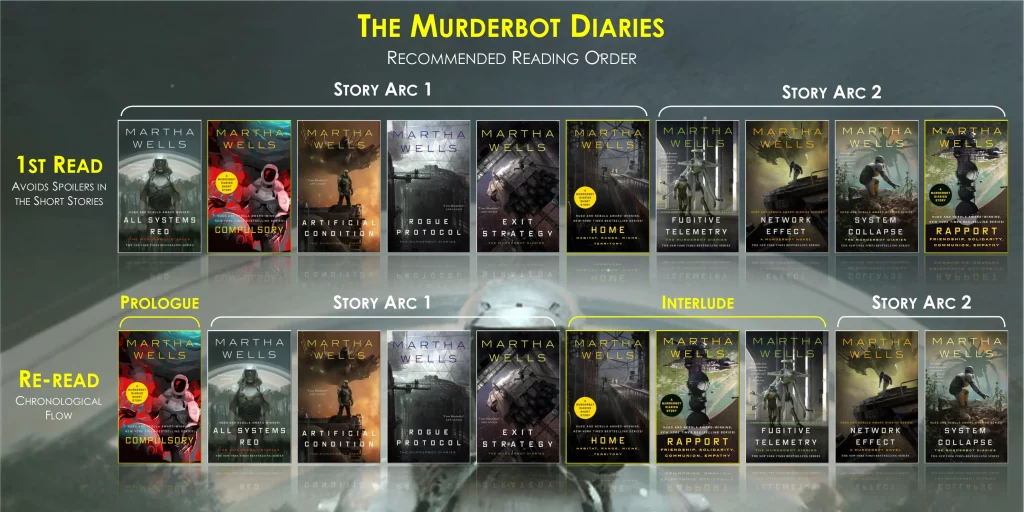
A 4-Step Process to Determine Whether You Should Read a Side Story
To optimize your reading time and avoid breaking narrative momentum, apply this 4-step evaluation process:
Step 1: Audit Chapter Labels and Release Schedule Placement
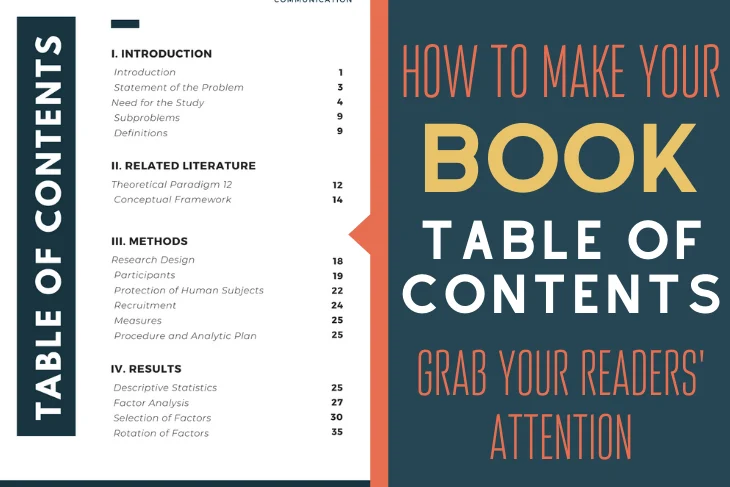
When reviewing chapter lists on digital reading platforms or table of contents pages, pay close attention to naming conventions:
- High Likelihood of Being Essential: Labels such as Interlude, Chapter X.5, Volume X – Side Story, or After Story. Chapters released between two major story arcs often serve as vital transitional bridges.
- High Likelihood of Being Optional: Labels such as Special Extra, Bonus Chapter, SS (Short Story) named after seasonal events, or Valentine / Christmas Special.
Step 2: Conduct a Plot Gap Audit and Character Context Check
Before deciding to skip, ask yourself: Did the main story arc just leave a major question unanswered? If a main chapter ends with Character A vanishing and returning two arcs later bearing a new scar and an unexplained weapon, the side story published between those arcs detailing Character A’s journey is almost certainly essential.
Step 3: Sample the First 1–2 Pages to Identify the Central Conflict
Skim the opening paragraphs of the side story:
- If the opening lines introduce a new threat, a historical secret, or a critical new character: Keep reading.
- If the opening lines describe peaceful weather, characters discussing food, or playing a casual game: Set it aside for now.
Step 4: Cross-Reference Author and Community Reading Guides
For complex fantasy novels or massive media franchises, authors or dedicated fan communities regularly compile “Reading Order Guides.” Search official wikis or community hubs. If the consensus labels a side story as “Plot-Critical” or “Must-Read,” add it to your required reading list.
What Happens When You Skip Essential Side Stories?
Treating all side stories as skippable filler leads to noticeable reading drawbacks:
- Perceived “Deus Ex Machina”: You may feel a protagonist suddenly gains an unearned power-up or skill out of nowhere, when in reality that training process was detailed across a dedicated side story.
- Emotional Disconnect: A supporting character tragically sacrifices themselves in the main arc, but you feel no emotional resonance simply because their bond with the protagonist was developed entirely in a skipped side story.
- Misunderstanding Antagonist Motivations: Authors frequently place the entire tragic backstory and downfall of a primary villain into a standalone side story. Skipping it renders the antagonist one-dimensional and shallow.
FAQ – Frequently Asked Questions About Side Stories
1. Are “After Stories” or Epilogues published after the main ending required reading?
It depends on their content. If an “After Story” simply depicts the characters living peaceful lives post-war, it is optional supplementary material. However, if the “After Story” sets up plot hooks for a sequel or resolves major lingering mysteries from the main ending, it is required reading.
2. How can I tell if a side story is Canon (official continuity) or Non-canon?
This is usually noted in the Author’s Notes at the beginning or end of the chapter, or in the volume preface. Side stories written directly by the original author are almost always Canon. If it is a spin-off written by a guest author without explicit confirmation from the original creator, it is generally considered Non-canon.
3. What should I do if I accidentally skipped an essential side story and feel confused?
You do not necessarily have to stop and read the entire side story word-for-word. The fastest fix is to read a chapter summary on the series’ official Wiki or consult community discussion threads for that specific arc to catch up on essential lore.
4. How do anime OVAs or movies differ from light novel or manga side stories?
In animated adaptations (Anime/Live-action), OVAs or movie side stories are frequently studio-created filler designed to extend airtime. The proportion of anime OVAs/movies containing essential canon lore is significantly lower than side stories in original light novels or manga. Always check if an OVA/movie adapts a canon manga/novel chapter before watching.